


Young Diversity Ambassadors. The program has its start and no ending
16.10.23
In late August of 2023, young diversity ambassadors gathered in Ivano-Frankivsk to meet each other, discuss the results of their projects, and exchange experiences. It could also be said, “to celebrate the finish of the program”, but it is not correct. Yes, the projects are realized, reports are sent, and young people can be congratulated for their good deeds. However, this is not the end of the story. This is only the beginning. Why is that? What can young ambassadors and the program team be proud of? What opportunities and challenges are in front of them?
How it was going
“Young Diversity Ambassadors” is a program created for people who see themselves in civic activism. It helps to study, to find common-minded people and to act. The program started in 2019, and since that time STAN is constantly improving it.
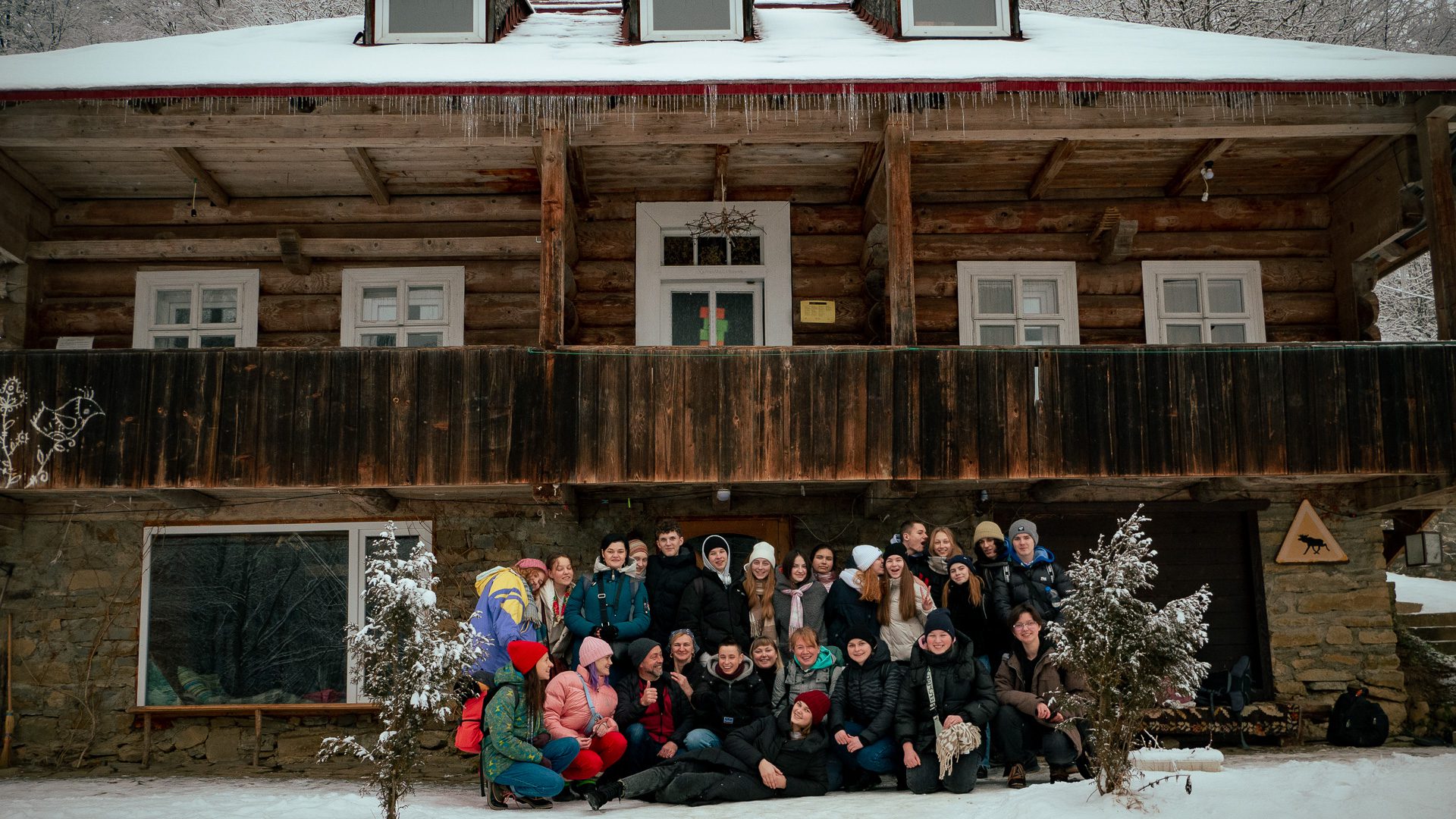
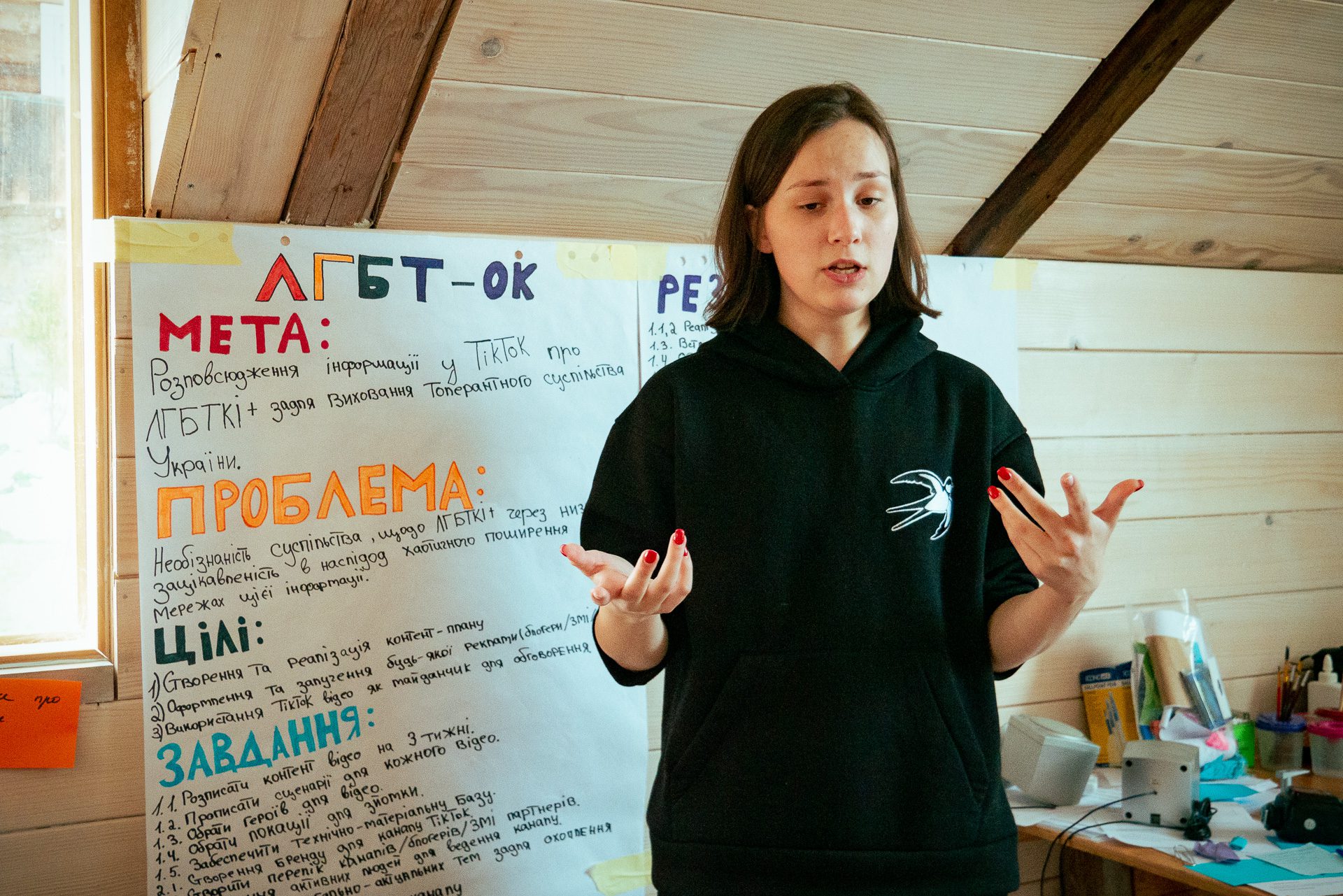
Here is how it was going this year. Firstly, introductory workshops took place at Khata-Maysternia in the Carpathian mountains, each of them lasting for four intense days. Young people got knowledge they cannot obtain at school or university. They discussed feminism and LGBTQI+ rights, environmental awareness, decolonization, the importance of memory, and how art influences society. They learned to compare their new knowledge with the life of their communities, with the developments in their towns and villages, and in their educational institutions. They thought about the necessary changes. What can they really do? Through what projects, and what initiatives? Do other people in the communities need this, is it really about the common good?
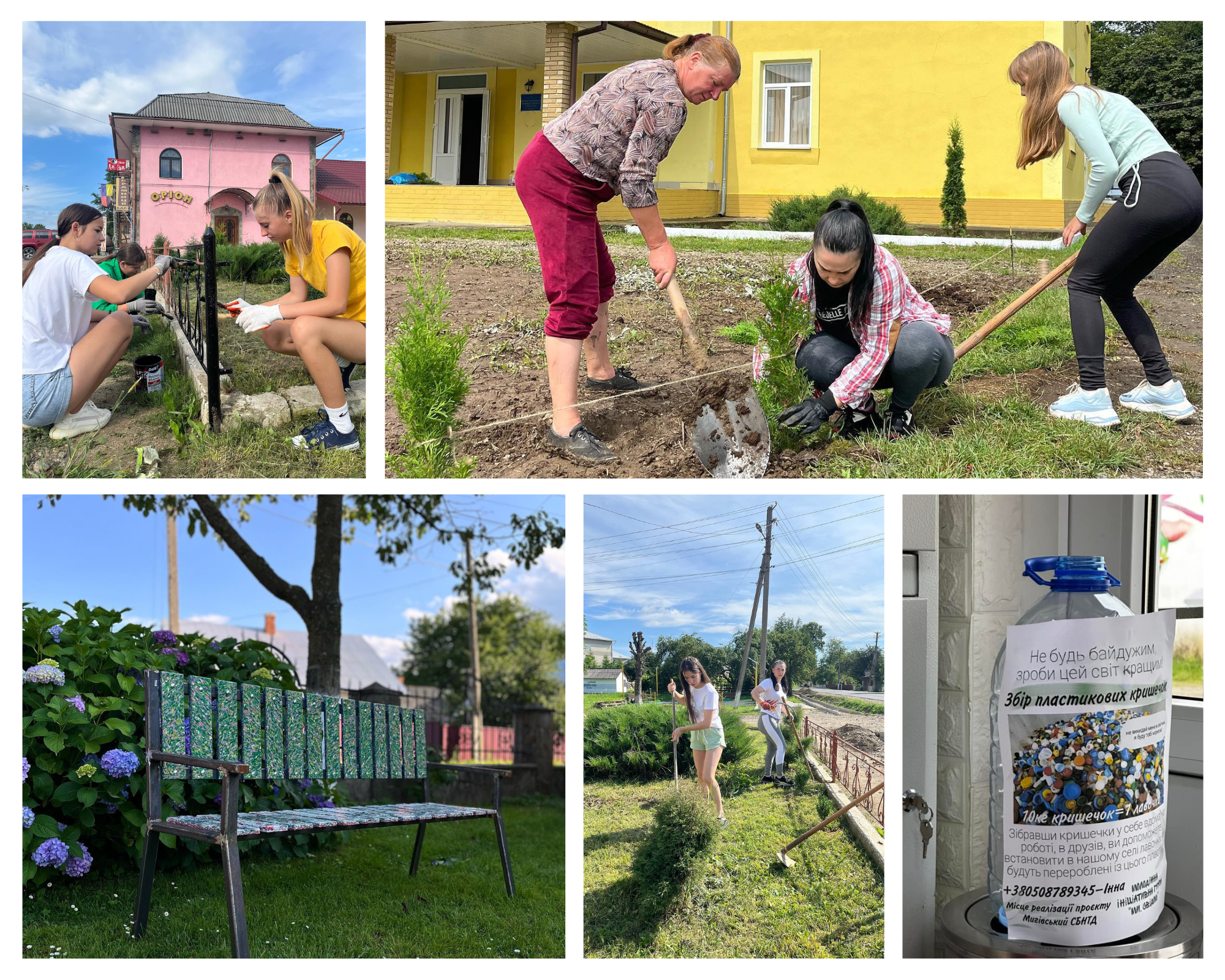
13 projects got financial and mentor support from STAN NGO and partners. And this summer for young ambassadors became time for intense work.
There were some trips too, and the sea. Participants visited different regions of Ukraine to meet local organizations, to establish cooperation and learn from them. Moreover, the most motivated participants spent a week and a half in Bosnia and Herzegovina where they studied the post-war rebuilding of the country. They visited Sarajevo, Banja-Luca, Mostar and Neum on the Adriatic seaside. Everywhere they talked to local activists, and ordinary citizens. They tried to understand if it makes sense to use this experience in Ukraine and if yes, how.
Others also care
So, young people got a chance to study and act. Meanwhile, the most important thing the program has given them was a chance to meet each other. This is very important. Everything in our history happened due to human encounters, there is no other way.
Young people from all over the country participated in the program. They are different, everyone has his or her own story and experience. Some of them were forced to move from the occupied territories. Some study at school, while others are university students. Some have already worked in the civic sector, and for others this is a first time. Such diversity helps them go beyond a bubble of their worldviews. It helps them to learn from each other.
Young people need to be among the people like them, people who care.
“The main thing I keep after the program is an understanding that I can do something, I really can impact my environment. I haven’t realized this before. At school it’s always ‘what the teacher says, you have to do’. And here I see people doing things by themselves, so I also want to do something in my city. I see what works bad – and want to make it better. Or to gather people to think together about what we can change. This understanding that people around me also care, that I can share my thoughts with them and we can change something together, is very important. This completely changes your attitude to the world, it gives strength”, says Sofia Panchenko, the program’s participant.

No goodbyes
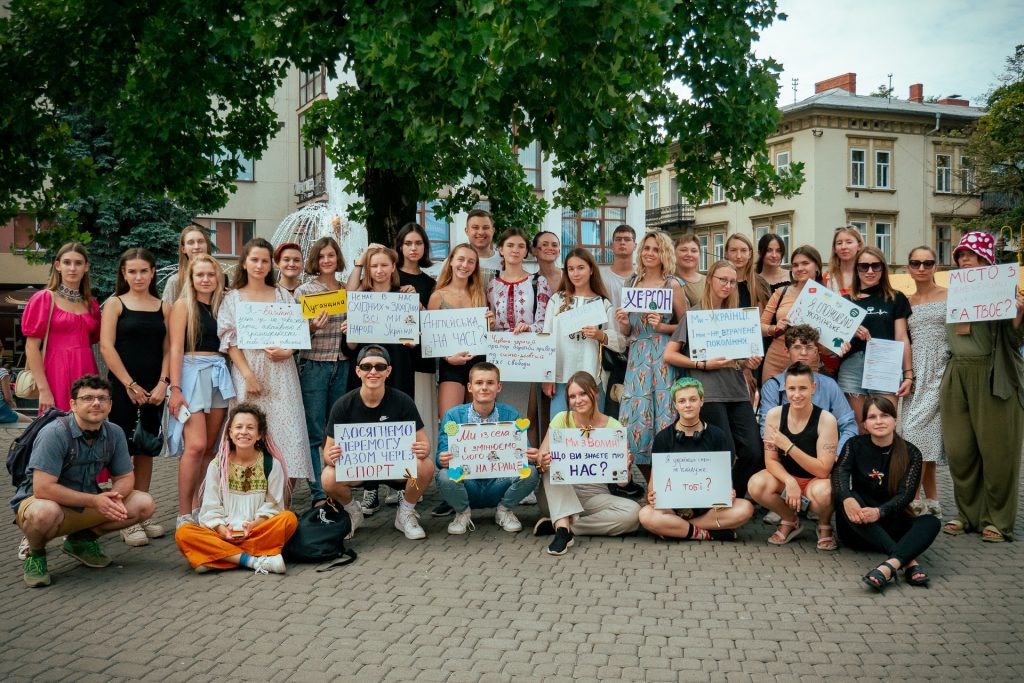
During July, young people were implementing their projects into life, and most of them gathered in Ivano-Frankivsk on August 22 – 23rd to meet each other, reflect and celebrate implementation of their ideas. They spent the first day at the innovation center “Promprylad. Renovation”. They were telling each other about their activities and the visit to Bosnia and Herzegovina. Later, together with facilitators, they were thinking about the future of the young ambassadors community. On the second day they organized a public performance dedicated to the Ukraine National Flag Day. They walked across the city center with the posters that were encouraging people to join the conversation about important issues. They talked to city residents they met on the streets.
Later, they discussed what happened. And later they hugged each other and wished themselves to meet again. And they left home. It may seem as a finish of the program for them. But this meeting in Ivano-Frankivsk was not to put a full stop.
“The idea is to widen our social circle. Ambassadors have met, exchanged experience. It was needed for us to see how we worked, what difficulties other participants encountered, to understand what are the fields we have to pay more attention to. And also this meeting was about planning the future”, – says Vladyslav Lovha, a participant.
While participants were learning, working on their initiatives and planning for the future, something important happened meanwhile.
“A network of potentially active people was built, people who can share values of democracy and acceptance of diversity. We would like to widen this network. I’m an alumni of the Young Ambassadors Program 2019. I was sure then it was the most successful project of STAN in terms of influencing civil society and the development of activism. It has been confirmed again now. I think the pattern that was designed back then (young people get a long term support and systemic opportunities for development), works very well today. It encourages young people either to stay in civic activism, or to keep actively standing up for these values”, says Solomiia Zinets-Matsyshyn, a facilitator.
More to come
The Young diversity ambassadors program is not finishing now. Its next stage is in the making. Generally the program will be similar to the previous one, considering this year’s experience.
“We will keep thematic workshops. We are defining the topics we will be working with. For instance, we want to keep the topic of gender equality and LGBTQI rights. says Yulia Liubych, the program’s facilitator and coordinator.

The program organizers noticed the issues connected with the project management take a lot of time and energy. They will be separated from the thematic workshops, so that participants who are ready to suggest some initiatives will study project management. It will be a work with the specific cases. On the other hand, it will unload introductory workshops and will allow them to concentrate on their key topics.
Moreover, an option of individual support for young people will be included into the program.
“There will be an opportunity to support some additional courses, to send someone to study and pay the necessary expenses”, says Liubych.
As for the current alumni, they could be mentors for young people who will participate in the next cycle of the program. They will also have a chance to train for facilitators.
“We want to invite 15 former ambassadors to study facilitation and want to engage them in the organization of events. They will join our trainers team,” says Liubych.
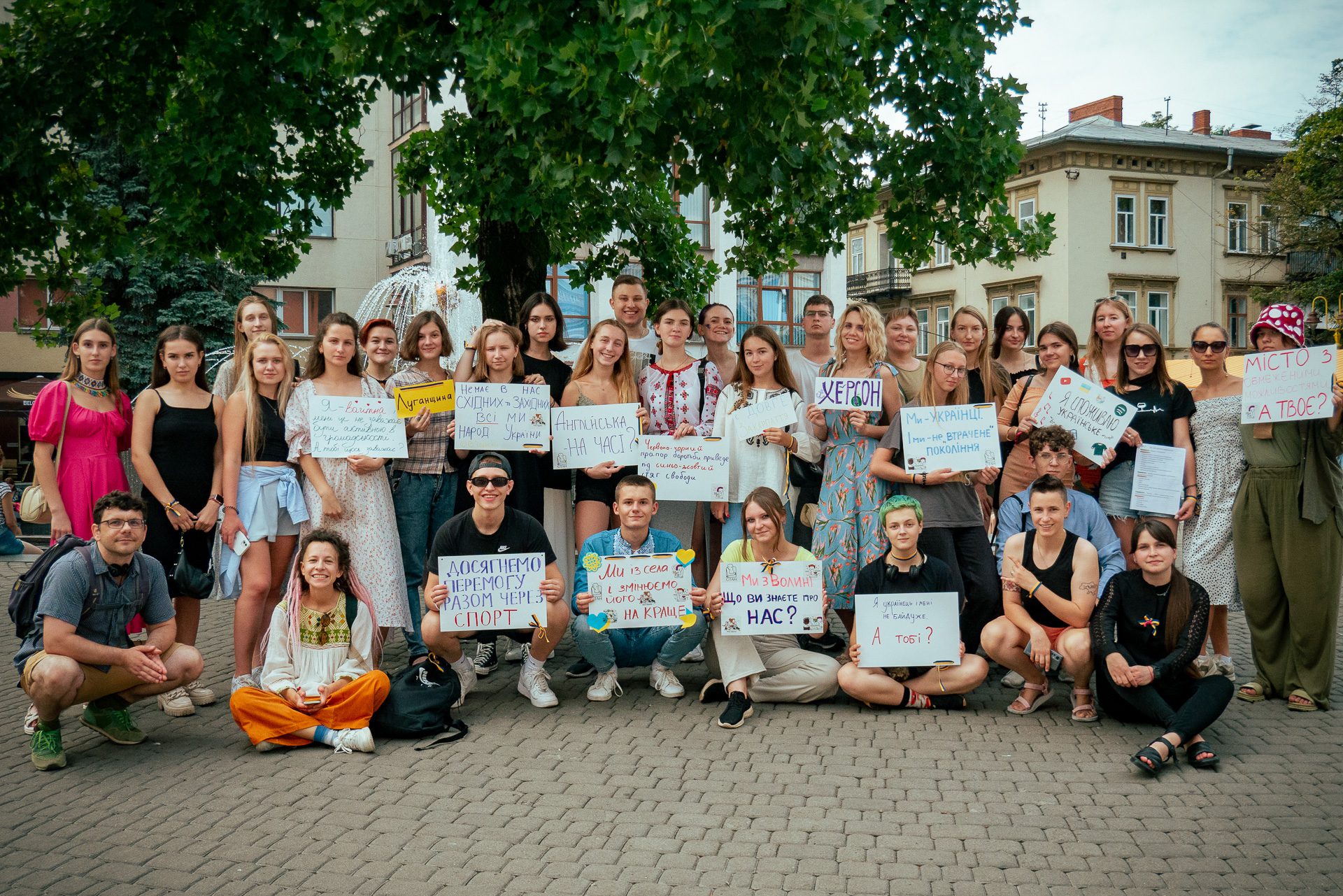
Like it or not, nothing goes without a trace. And when we talk about specific projects, sometimes they don’t end but transform, become something new, become a start or example for the next projects. This is what happened with the Young Diversity Ambassadors program. We know how and when it started. We see where this flow starts. At the same time, so many initiatives and communities emerged from it. This stream becomes a river, and it falls into other rivers. That is why Yaroslav Minkin, the program’s co-founder said at the meeting in Ivano-Frankivsk: “We’re not saying goodbye today. This meeting is a new stage. This program has its start and no ending”.
The project “Young Diversity Ambassadors” is implemented by STAN NGO in partnership with the “Action Aid” alliance for rights, equality and international solidarity with the support of the Disasters Emergency Committee (DEC). Revitalization and insulation of the safe spaces for youth is implemented with the support of Global Fund for Children (USA) та terre des hommes (Germany).