


Why do we need the past
10.10.24
Musing about our past and about young people, our future
German historian and journalist Guido Knopp has said that we are not responsible for the past, but we are all the more responsible for the memory of it. Yes, historical memory and history are not the same. Historical events have already happened, and the books, photos, and testimonies are but reflections of the days long gone. Footprints on the snow are not the feet of people who trod there. Footprints are footprints. That’s why, when we discuss historical memory, we need to keep in mind that it’s rather a subjective matter: what we know about historical events, how we relate to them, and which conclusions we draw. What matters most is what we do with these conclusions and knowledge and how it affects our lives here and now.
Let’s try to figure out why historical memory is important for young people, and how NGO STAN and its partners address this problem.
Bridge to the memory
Memory is the cornerstone of identity and values. It is integral for answering these seemingly simple questions: Who am I and where I am from? Who am I with, who is with me? What matters to me, what are my values? Without these answers, we would be lost in the dark. But once again, historical memory is akin to footprints on the snow. Footprints may lead you to people or even save your life.
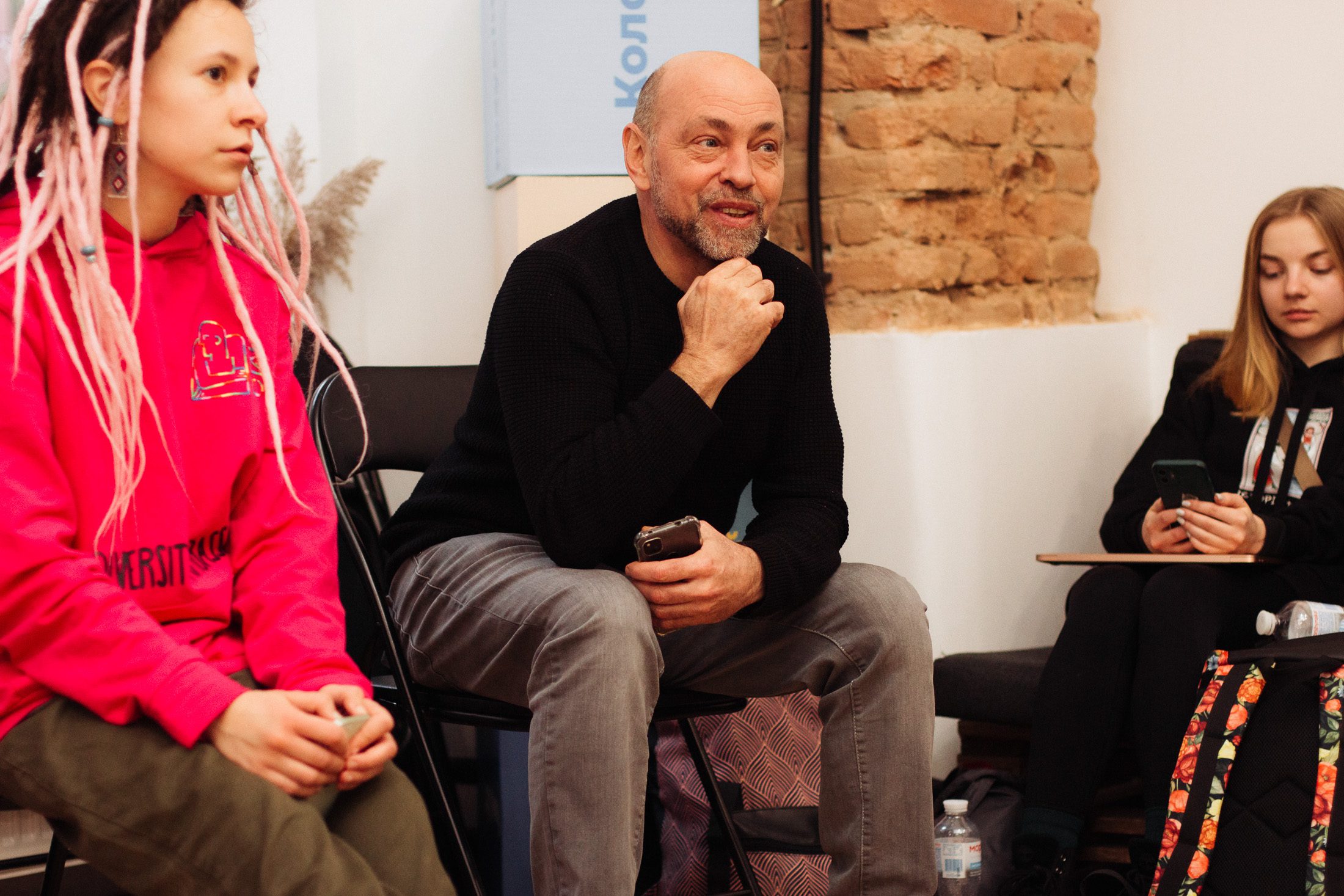
The study program of the Young Diversity Ambassadors has always included the topics of memory, decolonization, and art, and these always resonate with the participants. A great chunk of the projects implemented by the young people in the program have tackled these issues. It comes as no surprise: after a decade of Russia’s war on Ukraine and after three years of the full-scale invasion, these topics are highly relevant for the youth. They help us to think about what to do now, how to act next, and how we imagine our country. “We are teaching history not because we want children to remember history. We want them to come to some conclusions on a personal level,” muses Oleksandr Voitenko, an education expert and a human rights trainer in the Ukrainian Helsinki Human Rights Union and OSCE in Ukraine, co-author of the handbooks on historical memory. “I believe that сonnecting the dots “Now you are here” and “that’s the past which resonates with me” builds the only bridge we can use to interact with our memory, shaping our opinions on the historical events,” Voitenko says. “To an extent, all the Ukrainians share this narrative of memory. Opinion on the Soviet Union, because it ruined everyone’s life. Opinion on imposing Russian culture and indoctrination stating that Russian culture is “our common culture.” This opinion may be informed only by your own perspective on the real past, and not by the falsified propaganda narratives.”
That is why reimagining the past and working with the historical memory is directly connected with the present. Projects focusing on the interpretation of history or decolonization are always related to the present and creating a vision: where are we going and how. Let’s look at the example of the Center for Social Transformations TENET.
TENET and different ways to talk about history
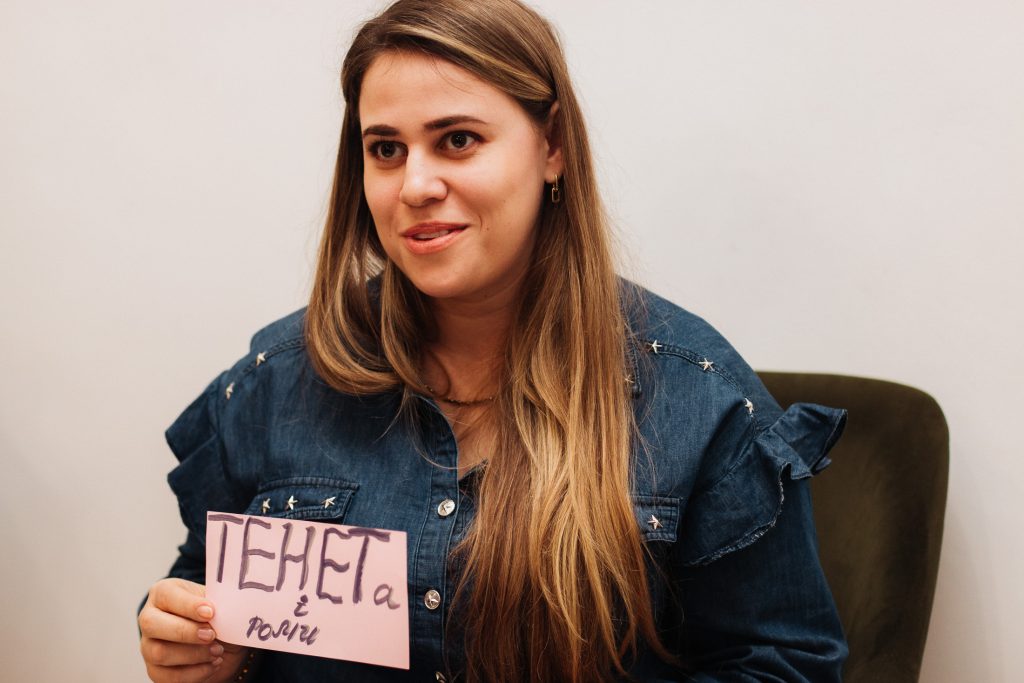
Young Diversity Ambassadors have recently joined the international community Global Platforms established by the alliance for rights, equality, and international solidarity ActionAid. That has created new opportunities for active young people from Ukraine. Along with plenty of NGOs with similar values, STAN has joined the Global Platforms. It was a starting point for creating a partner coalition in Ukraine and deepening the collaboration. “The expert support is important,” says Tetiana Storozhko, head of the Center for Social Transformations TENET. “It helps a lot. We can always ask for advice. Unfortunately, the civic sector is full of unhealthy competition. Sometimes it takes a lot of time and mistakes to learn the simplest things. No one is willing to provide detailed explanations, as they don’t want more competition in the field. It is completely different here – we help each other to improve. Some have extensive experience and established internal connections, while others possess unique expertise. It’s a nice and healthy communication.”
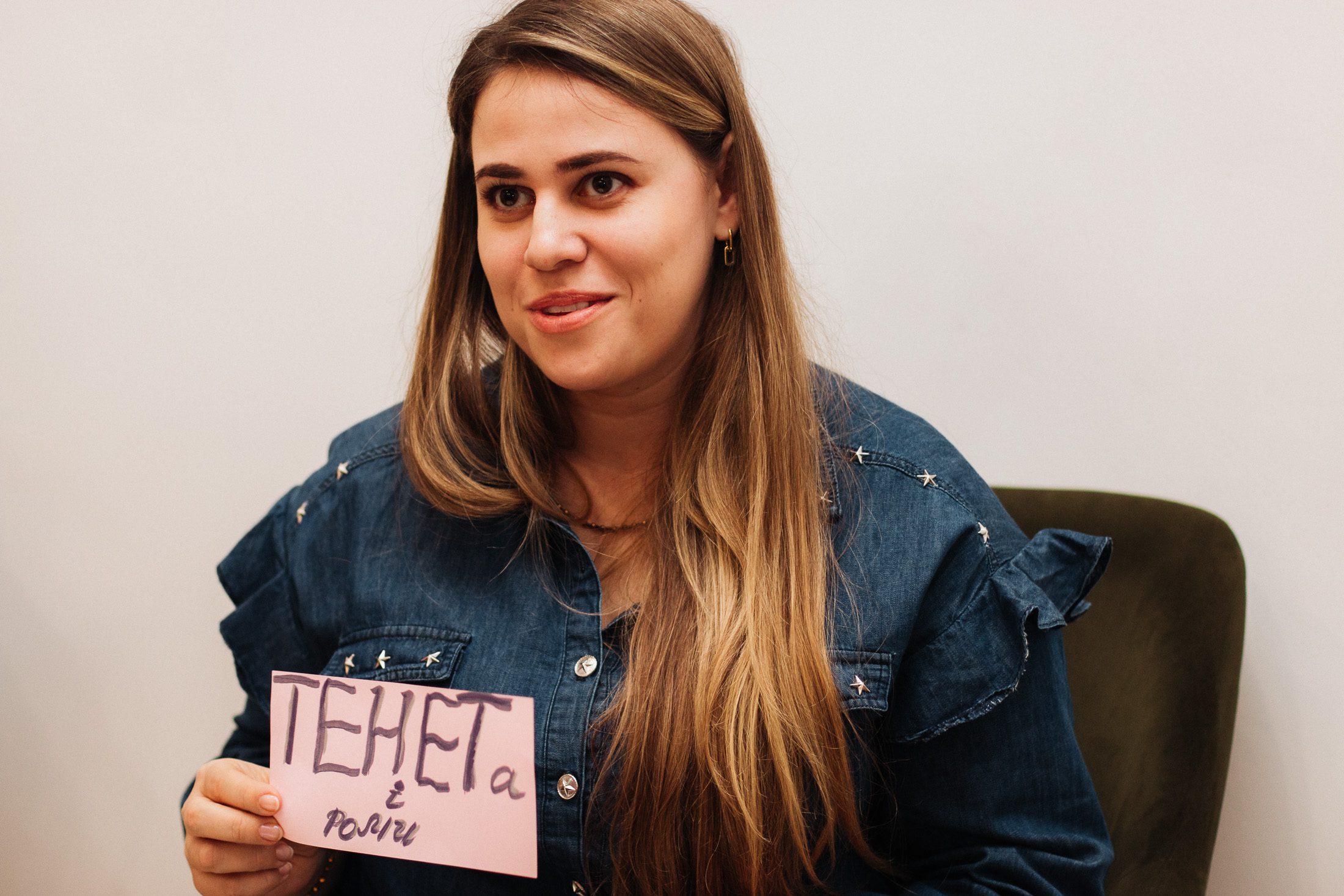
TENET has much experience in working with the youth movement and preserving the historical memory, specifically regarding the history of the Romani Holocaust. That’s a space for collaboration and an opportunity to learn from each other. One such recent example is a four-day workshop “Roma.Media.Action” for young activists organized by TENET and STAN with the support of Action Aid. During the training, young people learned to fight the stereotypes and create a positive image of the Roma community in the media.
TENET actively works in the field of youth education. “One of our tasks is to get young people, of Romani origin or not, interested in their own history,” Tetiana Storozhko explains. “Often people have minimal knowledge, and they have nowhere to learn. That’s why we are organizing educational events, focusing, among other topics, on the Romani genocide.” They do a lot of work on social media as well. On their Instagram page, TENET makes historical and cultural posts including educational materials about the Romani genocide, mixing memes with serious posts. Experiments with media are TENET’s strength.
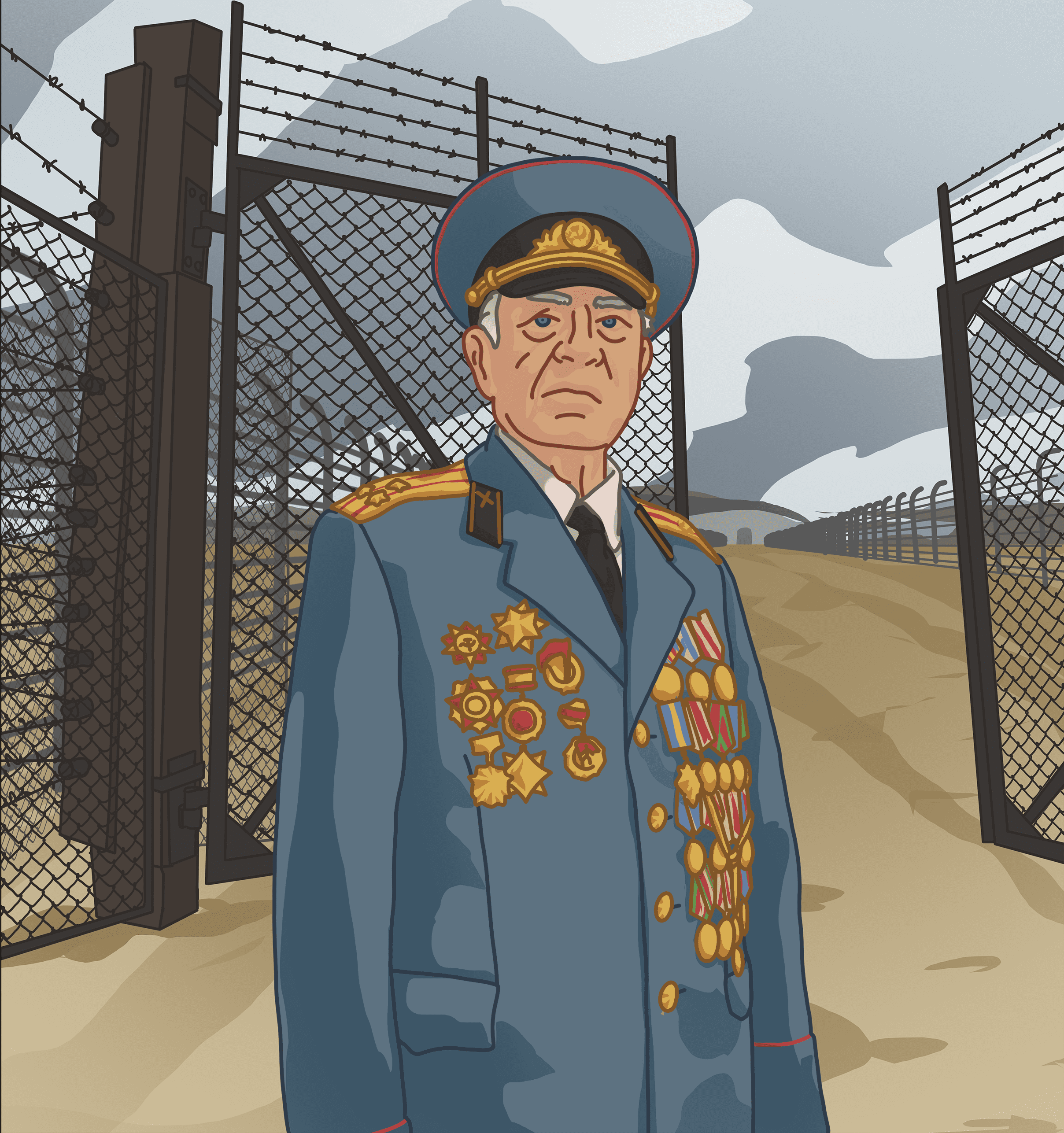
This year Tetiana and her team published a comic book “Memory guardians”. That’s a graphic biography of Ivan Bilashchenko, a Romani man from the Cherkasy region who survived the Holodomor, genocide and participated in World War II. That’s the biography of an outstanding person who witnessed the most atrocious events of the twentieth century, written and drawn to be engaging for young people. There is a physical and online version of the comics.
Oleksandr Voitenko emphasizes the importance of such individual stories. “Thinking about people and what could happen to them opens a space for empathy, another narrative of the memory. The human dimension is integral. If we don’t see and feel people behind the historical events, they turn artificial.”
Look and don’t forget
It’s important not to be limited by yourself and your projects, keeping your mind open for the wider context. For many years TENET has been participating in the international initiative Dikh He Na Bister (“Look and Don’t Forget” from Romani). This project preserves the memory of the Romani genocide and commemorates people killed during World War II. TENET is the partner of the event, and Tetiana is a Ukrainian coordinator.
“Look and Don’t Forget” is an annual event set in Krakow. It lasts for almost a week and brings together young people from all over Europe. Here they discover Romani history and learn to fight discrimination and Romaphobia.
Where are you from
Volodymyr Shcherbakov is a Roma activist and a Roma translator. Of course, he wasn’t born like this. Volodymyr explains how his life has recently taken an unexpected turn when he discovered his people’s history. Attending Dikh He Na Bister was a formative experience for him.
Volodymyr learned of the event from a friend who asked if he wanted to come to Auschwitz for an excursion. Naturally, he agreed, and the event exceeded his expectations. “I thought the program would focus on Auschwitz, but actually, it was more than this. The information was comprehensive. Participants of different ages, both of Romani origin and not, came from all over Europe. We were united, everyone was engaged.” Volodymyr couldn’t help being moved by what he saw and heard. “Another thing is, now we also know what is war,” he muses. “Ukrainian participants drew parallels between what Germany did in the past and what Russia is doing today. A tour guide told us, “Imagine how hard it was for them when they were forced to flee their homes, fitting all their life, all their belongings in one suitcase. And we didn’t even have to imagine, Ukrainians had the same experiences.”
The event made Volodymyr think about how he could make a change. “I realized how important it is to visit such places,” he says. “But not everyone can come to Auschwitz, not everyone can participate in the program. That’s what got me thinking about what can I do. Many people, including my friends and relatives, read my social media. I have an audience who can learn from me. That’s why I started to write about what I saw, what I know.”
Volodymyr began attending similar events and organized them. Once he participated in “Dikh He Na Bister”, and now he’s part of the team. He got in touch with youth communities and realized that young people are much more interested in history and preserving historical memory than it may seem. He explains why it is valuable for him. “In the Roma community there is unfortunately lack of awareness,” Volodymyr explains. “Speaking from my experience: I didn’t know when was the Roma Holocaust Memorial Day. And it’s important to know your history, it’s integral. When you know it, you don’t feel that lost in the world. And if you don’t know your origins and your past, it won’t give you an impulse to work for the future.”
The project “A network for democracy: Building a future with the European leaders of tomorrow” is implemented by the NGO “STAN” and ActionAid in partnership with the NGO “Center for Social Transformations TENET”, NGO “Insight”, NGO “Chernivtsi Association “Zakhyst” with the support of the Danish Ministry of Foreign Affairs (Denmark). This project is a part of the program “Young Diversity Ambassadors”
This is a program for youth and youth workers to strengthen social cohesion to create an inclusive, peaceful society, minimize the likelihood of conflicts arising between different groups, and accelerate the integration of young IDPs. The program is implemented by the NGO “STAN” in partnership with the Alliance for Rights, Equality and International Solidarity “ActionAid” with the support of the Disasters Emergency Committee (DEC), Global Fund for Children (USA), Terre Des Hommes (Germany) and IM Swedish Development Partner (Sweden).